जब 3D प्रिंटिंग प्रोटोटाइप टूल से आगे बढ़ी
कैसे Invisalign जैसी कंपनियों ने 3D printing को prototyping से mass manufacturing की reality में बदला, रोज़ लाखों parts बनाती हैं।
 Elena Vasquez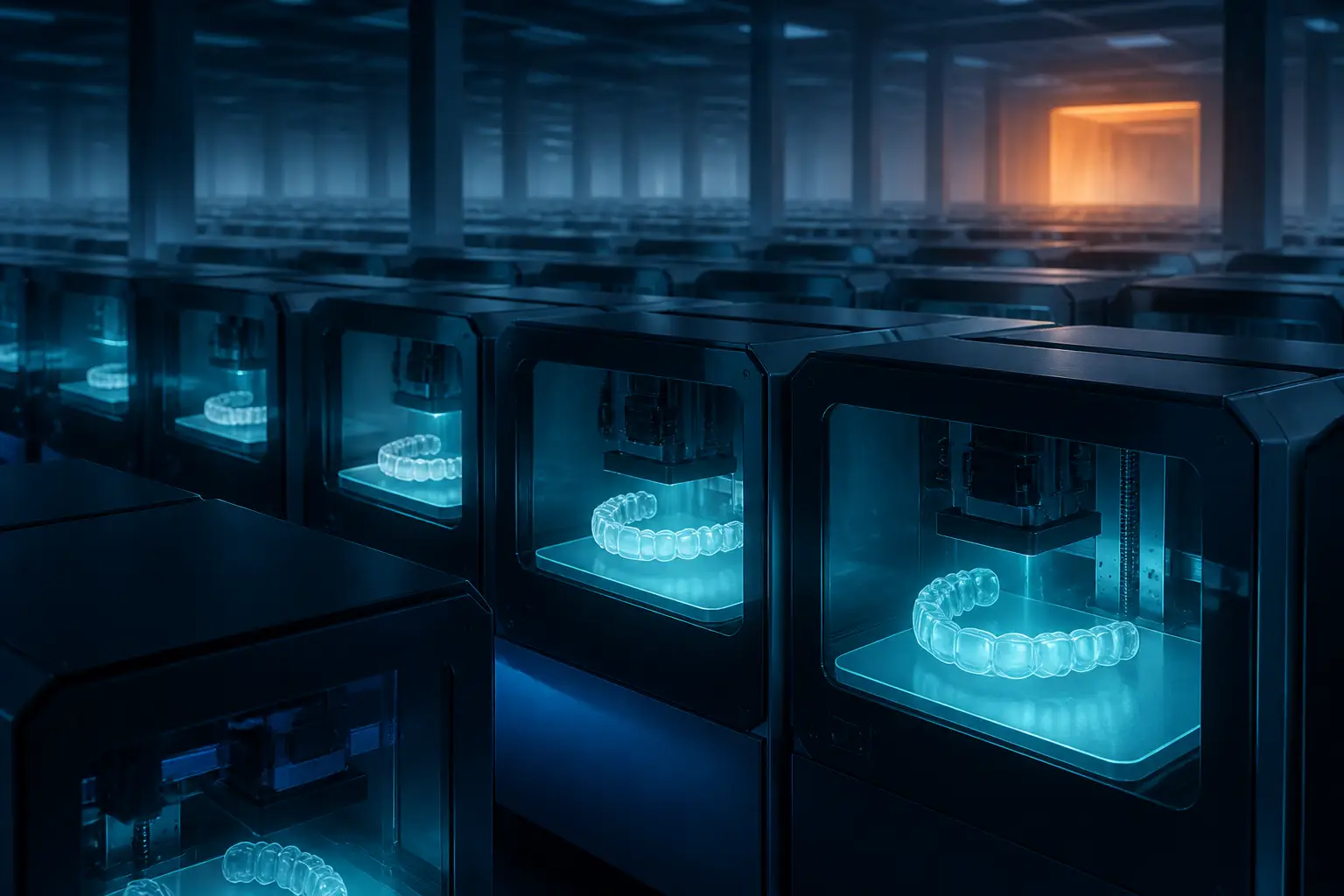
Align Technology प्रतिदिन 6 लाख से अधिक अनोखे dental aligners प्रिंट करती है। 6 लाख एक जैसी चीज़ें नहीं — बल्कि 6 लाख अलग-अलग customized pieces, जिनमें से प्रत्येक किसी एक मरीज़ के दांतों के लिए उनके treatment के एक specific चरण में सटीक रूप से बनाई गई है। कोई दो एक जैसी नहीं हैं। अगर यह अविश्वसनीय नहीं लगता, तो सोचिए कि पारंपरिक manufacturing मूल रूप से एक ही चीज़ को बार-बार बनाने पर निर्भर करती है। Molds, dies, stamps, casts — economics तभी काम करती है जब आप tooling cost को हज़ारों एक जैसी units में बाँट सकते हैं।
3D printing इस समीकरण को पलट देती है। एक अलग आकार बनाने की marginal cost शून्य है। Printer को कोई फर्क नहीं पड़ता कि वो एक ही geometry 10,000 बार प्रिंट कर रहा है या 10,000 अनोखी geometries। इसने 3D printing को चुपचाप उस 'rapid prototyping' tool से, जो यह एक दशक पहले था, एक असली mass manufacturing technology में बदल दिया है — बस उस तरह नहीं जिसकी ज़्यादातर लोगों को उम्मीद थी।
Prototype का जाल
2010s के ज़्यादातर समय में, 3D printing को लेकर एक loop में फँसी कहानी चल रही थी। Consumer 3D printers manufacturing को democratize करेंगे! हर कोई अपने tools, toys, और replacement parts प्रिंट करेगा! हकीकत यह थी कि consumer FDM printers धीमे, खुरदरे, नाज़ुक parts बनाते थे जो ज़रा सी नज़रअंदाज़ी में टूट जाते थे। Technology prototyping के लिए वाकई उपयोगी थी — injection mold tooling के लिए commit करने से पहले design पर iterate करना — लेकिन 'desktop factory' का vision साकार नहीं हुआ।
इस बीच, industrial 3D printing चुपचाप एक अलग समस्या सुलझा रही थी। 'हम 3D printing को injection molding की जगह कैसे लेने दें?' यह पूछने की बजाय, Align Technology जैसी कंपनियों ने पूछा, '3D printing से वो क्या बना सकते हैं जो injection molding literally नहीं कर सकती?' Mass customization — जहाँ हर एक unit अलग हो — यही जवाब था।
Align Technology यह कैसे करती है
Invisalign की manufacturing process को समझना ज़रूरी है, क्योंकि यह दिखाती है कि 3D printing आधुनिक production में कैसे fit होती है। यह उतना सरल नहीं है जितना 'aligners प्रिंट करो' — असली workflow digital और physical manufacturing का एक hybrid है।
- Digital scan और treatment planning। एक orthodontist intraoral scanner से मरीज़ के दांतों को scan करता है, जिससे एक 3D model बनता है। Software पूरे treatment की planning करता है — यह calculate करते हुए कि हर चरण में दांतों को कैसे move करना है — और 3D models की एक sequence generate करता है, जिनमें से प्रत्येक उस चरण के लिए desired दांतों की positions को दर्शाता है।
- Molds को 3D print करना। यह महत्वपूर्ण कदम है। प्रत्येक stage model को stereolithography (SLA) printers का उपयोग करके photopolymer resin में 3D print किया जाता है। ये खुद aligners नहीं हैं — ये molds हैं। Printers लगातार चलते हैं, प्रतिदिन लाखों unique mold geometries बनाते हैं।
- Aligners को thermoform करना। Medical-grade plastic की एक sheet को गर्म करके हर 3D-printed mold पर vacuum-form किया जाता है, जिससे असली clear aligner बनता है। यह 3D printing की customization क्षमता को thermoforming के material properties और speed के साथ जोड़ता है।
- Trim, polish, package। Automated systems aligners को सही gum line पर काटती हैं, edges को polish करती हैं, और उन्हें package करती हैं। प्रत्येक मरीज़ को उनके पूरे treatment के लिए aligners का एक set मिलता है — कभी-कभी 30+ stages — सभी एक साथ manufactured।
Align Technology संभवतः volume के हिसाब से दुनिया का सबसे बड़ा 3D printing operation चलाती है। उनकी factories में industrial SLA printers के clusters चौबीसों घंटे चलते हैं। कुल print volume प्रति वर्ष कई सौ million unique parts से अधिक है। कोई अन्य manufacturing process यह नहीं कर सकती — injection molding के लिए सैकड़ों million unique molds की ज़रूरत होगी, जो physically और economically असंभव है।
Dental से परे: Mass Customization कहाँ काम करती है
Aligners सबसे प्रमुख उदाहरण हैं, लेकिन mass customization का pattern फैल रहा है। साझा धागा: ऐसे products जहाँ हर unit अलग होनी चाहिए, और जहाँ value proposition injection molding की तुलना में higher per-unit costs को justify करती है।
- Hearing aids। लगभग सभी custom hearing aid shells अब 3D printed हैं। Aligners की तरह, हर ear canal अलग होती है। Hand-molding से 3D printing में switch करने से production time दिनों से घंटों में कम हो गई और fit consistency में सुधार आया।
- Orthopedic implants। Titanium surgical implants — hip cups, spinal cages, cranial plates — तेज़ी से individual patient anatomy से match करने के लिए 3D printed हो रहे हैं। Metal powder bed fusion (SLM/DMLS) ऐसे porous structures बना सकता है जो bone ingrowth को बढ़ावा देते हैं, जो solid metal implants नहीं कर सकते।
- Athletic footwear। Adidas 4DFWD और इसी तरह के midsoles lattice structures का उपयोग करते हैं जो केवल 3D printing के ज़रिए बनाए जा सकते हैं। Lattice geometry traditional foam में असंभव precision के साथ cushioning properties को control करती है। Carbon की DLS technology प्रति वर्ष इन midsoles के लाखों units बनाती है।
- Aerospace components। GE Aviation LEAP jet engines के लिए fuel nozzle tips 3D print करती है। Original nozzle 20 अलग parts को weld और braze करके बना एक assembly था। 3D-printed version एक single piece है, 25% हल्का, और पाँच गुना अधिक टिकाऊ। 1 लाख से अधिक बनाए जा चुके हैं।
Technology Stack
अलग-अलग 3D printing technologies अलग-अलग production niches को serve करती हैं। 'सबसे अच्छी' technology पूरी तरह इस बात पर निर्भर करती है कि आप क्या बना रहे हैं।
- SLA/DLP (stereolithography/digital light processing) — UV light से cure होने वाला liquid photopolymer resin। बेहतरीन surface finish, high accuracy, dental, jewelry, और consumer products के लिए अच्छा। Carbon के CLIP और DLS processes production-optimized variants हैं जो traditional SLA से 25-100x तेज़ प्रिंट करते हैं।
- SLS (selective laser sintering) — Laser से fuse होने वाला polymer powder। Support structures के बिना मज़बूत nylon parts बनाता है। HP का Multi Jet Fusion variant दावा करता है कि 50,000 units से कम के runs के लिए per-part costs injection molding के competitive हैं।
- Metal PBF (powder bed fusion) — Laser या electron beam से fuse होने वाला metal powder। Aerospace, medical implants, और tooling के लिए। Per part slow और महंगा, लेकिन ऐसी geometries बनाता है जो subtractive machining से impossible हैं।
- Binder jetting — Powder layers पर spray किया गया adhesive, फिर furnace में sintered। Laser-based processes से तेज़। Desktop Metal और ExOne production-volume metal parts को target करते हैं। Automotive और industrial components के लिए उपयुक्त।
Software का पहलू
Manufacturing scale पर 3D printing चलाना उतना ही software की समस्या है जितना hardware की। Engineering के नज़रिए से challenges वाकई दिलचस्प हैं।
Build packing। SLA और SLS printers एक fixed build volume के साथ काम करते हैं। Minimum spacing, orientation constraints, और heat dissipation का ध्यान रखते हुए हर build में जितने हो सके उतने parts fit करना एक 3D bin-packing problem है। Manual packing build volume का 30-50% बर्बाद करती है। Automated packing algorithms उसे ज़्यादातर recover कर लेते हैं। यह directly per-part cost को प्रभावित करता है।
Print path optimization। जिस क्रम में laser geometry trace करती है वह heat distribution, warping, और print time को प्रभावित करती है। Optimal path planning — jump distances minimize करना, powder bed पर thermal load balance करना, already-sintered areas पर repeated passes से बचना — एक complex optimization problem है जिसका throughput पर real impact होता है।
Quality prediction। Sensor data (thermal imaging, laser power, layer images) पर trained machine learning models print के दौरान, part के पूरा होने से पहले, defects का अनुमान लगा सकते हैं। यह aerospace और medical parts के लिए critical है जहाँ post-print inspection महंगी है। Layer 500 की बजाय layer 50 पर defect पकड़ना machine time के घंटे बचाता है।
Digital inventory। अगर आप demand पर कोई part 3D print कर सकते हैं, तो उसे warehouse में रखने की ज़रूरत नहीं। कई aerospace और automotive companies physical spare parts warehouses से digital inventories की ओर shift हो रही हैं — 3D models का एक file server जो ज़रूरत पड़ने पर locally प्रिंट किए जाते हैं। Logistics की बचत काफी है, खासकर low demand frequency वाले parts के लिए।
3D Printing अभी भी क्या नहीं कर सकती
2010s की शुरुआत में 3D printing के आसपास का hype cycle काफी credibility जला चुका था, इसलिए limitations के बारे में ईमानदार होना ज़रूरी है।
- High-volume identical parts। अगर आपको एक ही चीज़ की दस लाख copies चाहिए, तो injection molding per-unit cost पर 10-100x के factor से जीतती है। वह crossover point जहाँ 3D printing cost-competitive हो जाती है, part complexity और material पर निर्भर करता है, लेकिन यह आमतौर पर सैकड़ों से कम हज़ारों की range में होता है।
- Material variety। Injection molding precisely tuned properties वाले हज़ारों plastic formulations के साथ काम करती है। 3D printing materials limited हैं — प्रत्येक technology के लिए शायद 50-100 commercial options। अगर आपको UV resistance के साथ एक specific glass-filled polycarbonate चाहिए, तो injection molding के पास है। 3D printing के पास नहीं भी हो सकता।
- Surface finish। FDM parts में visible layer lines होती हैं। SLS parts में sandpaper जैसी texture होती है। SLA parts smooth होते हैं लेकिन छोटे support marks दिखते हैं। Post-processing (sanding, coating, vapor smoothing) मदद करती है लेकिन cost और time बढ़ाती है। Consumer products के लिए जहाँ surface finish matter करती है, 3D-printed parts अक्सर significant finishing work के बिना injection molding के mirror-smooth output से match नहीं कर सकते।
- Large volumes के लिए Speed। एक single injection mold cycle 15-60 seconds लेती है। एक single 3D print build 2-48 hours लेती है। Perfect build packing के साथ भी, identical parts के लिए throughput का अंतर बहुत बड़ा है।
सोच में बदलाव
सबसे महत्वपूर्ण बदलाव technological नहीं है — यह conceptual है। Traditional manufacturing में trained engineers tooling के हिसाब से सोचते हैं: मैं ऐसा mold/die/fixture कैसे बनाऊँ जो मेरा part produce करे? यह mindset naturally ऐसे parts design करने की ओर ले जाती है जिन्हें mold, stamp, या machine करना आसान हो। आप undercuts से बचते हैं, draft angles maintain करते हैं, और tooling cost कम करने के लिए geometry simplify करते हैं।
3D printing इन constraints को हटा देती है। आप topology-optimized structures design कर सकते हैं जो organic दिखती हैं — क्योंकि computer ने load case के लिए optimal material distribution calculate किया, manufacturability की बाधा के बिना। आप internal lattices, conformal cooling channels, और integrated assemblies बना सकते हैं जिन्हें किसी अन्य तरीके से बनाना impossible होगा।
यहीं 3D printing की असली revolution है — commodity parts के लिए injection molding की जगह लेने में नहीं, बल्कि ऐसे products enable करने में जो पहले exist ही नहीं कर सकते थे। GE fuel nozzle welded version से सिर्फ सस्ता नहीं है। यह fundamentally बेहतर है, क्योंकि design welding और brazing की capabilities से constrained नहीं था। Lattice midsole सिर्फ जूता बनाने का एक अलग तरीका नहीं है। यह एक अलग किस्म का cushioning है जिसे foam replicate नहीं कर सकता।
3D printing से सबसे अधिक value पाने वाली companies वो नहीं हैं जो उन्हीं parts को 3D print करने की कोशिश कर रही हैं जो पहले injection mold करती थीं। वो हैं जो 3D printing की unique capabilities का फायदा उठाने के लिए अपने products redesign कर रही हैं — और वो products, definition के अनुसार, पहले exist नहीं कर सकते थे।